The rise and transformation of casinos through history

From AI integration to cross-platform fluency—discover the must-have technical and soft skills for today’s most in-demand dev roles.

by Developer
The rise and transformation of casinos through history
Origins of Gambling and Early Casinos
The concept of gambling can be traced back to ancient civilizations, where games of chance were often linked to religious rituals and celebrations. Archaeological findings indicate that the Chinese were playing games with dice as early as 2300 B.C. Similarly, ancient Romans enjoyed betting on gladiatorial games and other public events, reflecting a societal acceptance of gambling as a form of entertainment. These early forms of gambling laid the groundwork for what would eventually evolve into modern casinos, and today, you can find engaging opportunities such as online pokies real money.

Throughout the Middle Ages, gambling remained prevalent, especially in Europe. Gambling houses, which can be considered precursors to today’s casinos, began appearing in Italian cities during the 17th century. These establishments provided a social space for the upper classes, offering games like the popular Italian game of “banco,” which would later influence the development of various card games. This era marked a significant shift, as gambling transitioned from informal gatherings to more organized venues.
The first official casino, the Casino di Venezia, opened its doors in Venice in 1638. This establishment was designed as a public space, showcasing various games while offering food and entertainment. The success of the Casino di Venezia sparked interest in similar venues across Europe, leading to the establishment of renowned casinos in Monte Carlo and Baden-Baden. By the 19th century, casinos became synonymous with luxury and high society, attracting affluent patrons eager to indulge in the thrill of gaming.
Casinos in the Age of Industrialization
The Industrial Revolution of the 18th and 19th centuries fundamentally transformed many aspects of society, including the gambling industry. With rising disposable incomes and increased leisure time, more individuals began to participate in gambling activities. This era saw the proliferation of gaming establishments, particularly in major urban centers. The introduction of new games, such as roulette and blackjack, further captivated a growing audience, making casinos increasingly popular.
During this period, Nevada emerged as a focal point for gambling in the United States. The state legalized gambling in 1931, paving the way for Las Vegas to develop into the entertainment capital of the world. The construction of the first major resort casino, the El Rancho Vegas, marked the beginning of a new era, where casinos offered luxurious accommodations, diverse dining options, and extravagant entertainment. This combination of gaming and hospitality reshaped the casino experience, attracting visitors from all walks of life.
By the mid-20th century, casinos had expanded beyond Nevada, with jurisdictions around the globe beginning to explore legalizing gambling as a means to boost tourism and generate revenue. This movement led to the establishment of casinos in places like Atlantic City and various Caribbean islands, fundamentally altering the landscape of the gambling industry. As casinos became more accessible, they transformed from exclusive venues catering to the elite to thriving establishments welcoming a broader demographic.
The Technological Revolution and Online Gambling
The rise of technology in the late 20th century brought a seismic shift to many industries, including gambling. The advent of the internet in the 1990s heralded the introduction of online casinos, allowing players to engage in gaming activities from the comfort of their homes. This innovation democratized access to gambling, attracting new players who may have previously been intimidated by physical casinos. Online platforms offered a wide array of games, catering to different preferences and skill levels.
Moreover, advancements in technology enhanced the gaming experience significantly. The introduction of software that simulates real-life casino environments created an immersive experience for online players. Features like live dealer games, which use real-time video streaming, bridged the gap between land-based and online casinos. Consequently, many traditional casinos began to adapt by developing their own online platforms to compete in the increasingly crowded market.
Mobile technology further revolutionized the gambling industry, as players could access games on their smartphones and tablets. The rise of mobile casinos has made it easier than ever for individuals to gamble on the go, contributing to the industry’s rapid growth. With the integration of secure payment options and advanced encryption technologies, online casinos have created a safe and convenient environment for players worldwide, leading to unprecedented participation rates in the gambling sector.
Modern Casinos: A Blend of Entertainment and Technology
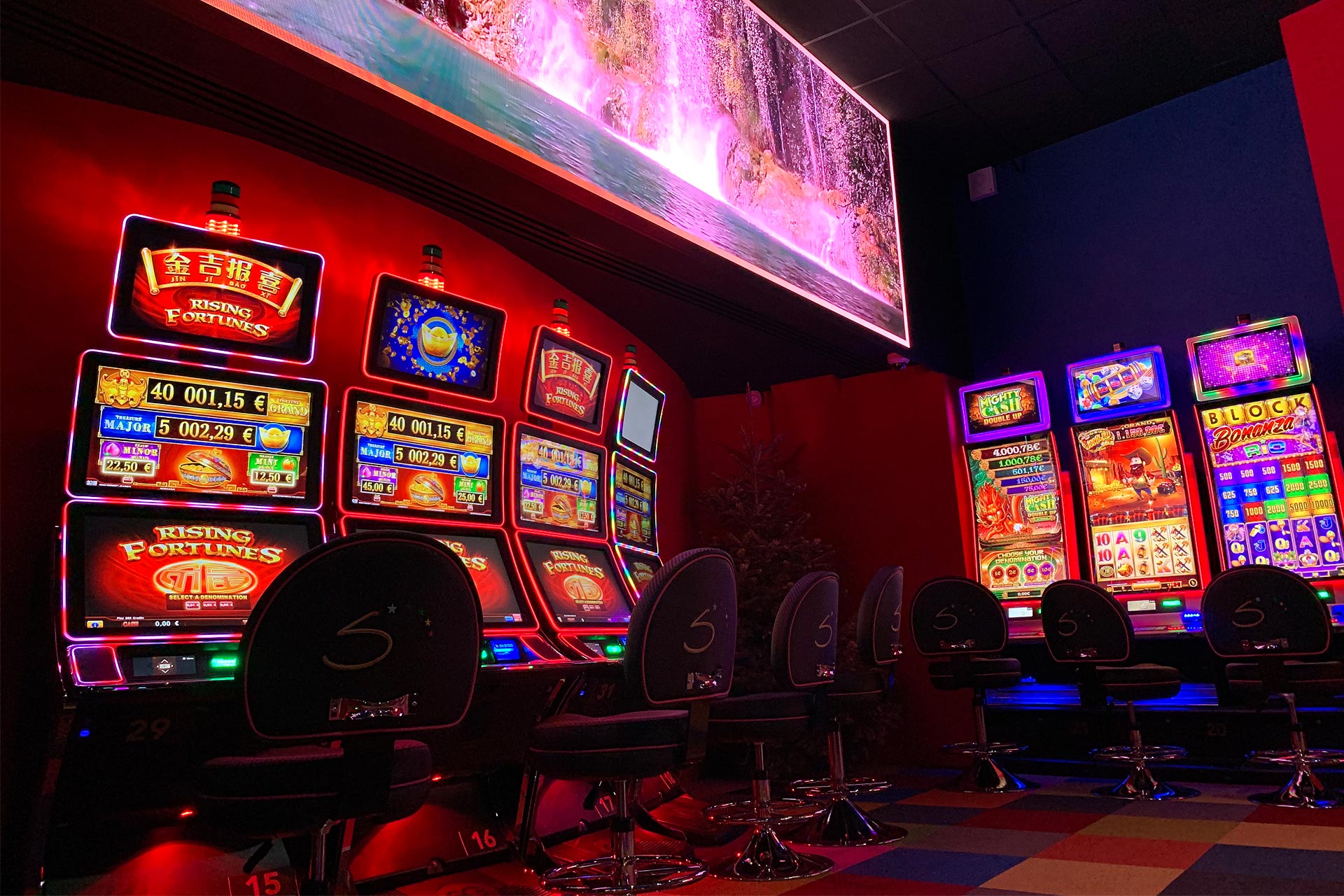
Today’s casinos are no longer just places to gamble; they serve as multifaceted entertainment complexes. Many modern establishments offer not only gaming options but also world-class dining, live performances, and shopping experiences. This shift reflects a broader trend in the entertainment industry, where the focus is on providing a holistic experience to attract visitors. As a result, casinos are competing with other forms of entertainment, from theme parks to concerts, by creating vibrant atmospheres that cater to diverse interests.
Furthermore, casinos have become more technologically integrated, employing advanced systems for customer engagement and management. Technologies such as artificial intelligence and data analytics are being utilized to improve customer service, personalize marketing efforts, and enhance operational efficiency. By analyzing player behavior, casinos can tailor their offerings to meet the preferences of their clientele, thereby increasing customer satisfaction and loyalty.
As regulations surrounding gambling continue to evolve, so too do the opportunities for innovation within the industry. Virtual reality gaming is on the horizon, potentially changing how players interact with casino environments. The modern casino landscape is marked by adaptability, as operators embrace new trends and technologies to meet the demands of an ever-changing market. This dynamic evolution is set to continue, shaping the future of casinos for generations to come.
Explore Our Casino Resources for Informed Gaming
At our website, we provide a comprehensive guide to the evolving world of casinos, catering to both beginners and seasoned players. Our resources cover everything from the history of gambling to the latest trends in online gaming. We aim to equip you with the knowledge needed to make informed decisions when engaging with various gambling platforms, ensuring a safe and enjoyable experience.
We also offer detailed reviews of top-rated casinos, highlighting features such as payment options, game variety, and promotional bonuses. Whether you’re looking to play traditional table games or explore the latest online slots, our insights will help you navigate the vast landscape of gambling opportunities available today. With a focus on safety and reliability, our platform is dedicated to enhancing your gaming journey.
Join us as we delve deeper into the captivating world of casinos, examining both their historical roots and modern innovations. Our aim is to keep you informed and engaged, making your exploration of casinos a rewarding experience. We invite you to explore our resources and stay up-to-date with the latest developments in the ever-evolving gaming industry.